Typical Terms & Guidelines for CRE Bridge Loans
- Loan Amounts: $250,000 to $50,000,000
- Loan-to-Value: Up to 75%
- Loan-to-Purchase: Up to 80% for value-add projects
- Must have 15%+ cash for the purchase
- No lender on our site provides 100% financing
- Lien Position: 1st or 2nd (few lenders offer junior liens)
- Loan Term: Up to 24 months (some lenders will go longer)
- Interest Rates: 7% to 12%
- Origination Fee: 1 to 4 points (most charge 2 pts)
Deposits and Due Diligence Fees
It is fairly common for CRE bridge lenders to charge some sort of fee when the term sheet is signed. It takes a lot of time and effort to underwrite a commercial property loan, and there could be some hard costs involved – legal, appraisal (or BPO), environmental report, site visit and more. Even if the lender is local to the property and doesn’t require an appraisal, they may ask for a small deposit just so there is a commitment from the borrower.
Why Use a Bridge Lender
Many commercial real estate (CRE) investors use bridge loans from time-to-time for their property investments. Although the pricing is much higher than banks and conventional lenders, there are several reasons why a CRE investor or broker would seek a bridge lender:
- Speed – most bridge lenders close in 1-3 weeks
- Asset Based – most bridge lenders focus on the equity in the property
- Vacancies – most bridge lenders are willing to lend on properties with high vacancy rates
- Property Condition – many bridge lenders will lend on properties in poor condition
Bridge loans are private mortgages. The term “bridge” just means it’s a short-term loan.
Common CRE Bridge Loan Scenarios
Property Acquisition
When purchasing a commercial property, timing is the key factor to close the deal. Banks and other institutional lenders typically need a lot of time to underwrite the deal, and this is the main reason why CRE property investors will consider taking a bridge loan. The additional cost provides some peace of mind as far as timing goes. Once the property has been acquired, the investor can relax and take several months to secure permanent financing.
Reverse 1031 Exchange
The short time frame associated with 1031 exchanges make bridge lenders a vital asset for property investors when they are unable to line up bank financing before their deadline.
Refinance
We see a number of property investors turn to bridge financing for a straight refinance when their existing loan is maturing and they are unable to qualify for a conventional loan. A bridge loan will buy them some additional time.
Equity Cash Out
Property investors may need to tap the equity in their commercial property for a number of reasons – working capital, renovations, purchase another investment property. It is not easy to find bridge lenders that will provide a 2nd mortgage or any junior lien position. It’s more common in California, but for properties in other states, the lender will likely refinance the existing 1st mortgage (if any). Bridge lenders are generally more conservative with their LTV when providing cash out. So a lender that goes up to 75% for a purchase loan may max out at 65% for an equity cash out loan request.
Yieldi’s Lending Guidelines for Bridge Loans
Yieldi offers bridge loan financing tailored for investors and developers working on a wide variety of projects, from residential renovations and new construction to commercial value-add and build-to-suit developments. With a focus on practical deal execution and disciplined underwriting, the company provides flexible short-term financing while evaluating each opportunity individually. Below is an excerpt from our interview with Josh Lloyd and Joe Ashkouti, founders and owners of Yieldi.
Real estate investors working with Yieldi typically use short-term bridge loans structured around 12-month terms, with construction deals sometimes extending to 18 months. Borrowers can receive extensions as long as they remain in good standing and are not in default. Interest rates generally start around 11% and can reach 15–16% for higher-risk assets like land. Origination points typically range from 1.5 to 3 points, and most transactions require deposits ranging from about $2,500 on smaller deals up to $50,000–$60,000 on larger transactions.
Loan terms include maximum leverage of 75% loan-to-value, with average deals typically closer to 65%. Higher leverage scenarios are usually reserved for deals in markets the lender knows well, with strong borrowers and clearly defined exit strategies. Loan amounts start at approximately $350,000 and go up to $25 million, with most deals falling between $1 million and $10 million.
Leverage varies depending on asset type and deal structure. New construction projects may reach roughly 80% loan-to-cost while maintaining about 65% loan-to-value at completion. In build-to-suit projects with strong tenants, leverage may reach up to 90% of cost, typically equating to about 60–65% of stabilized value.
Commercial properties such as retail, industrial, and storage are active lending targets, including value-add projects like partially vacant retail centers that require renovations and lease-up. Office properties are underwritten much more conservatively due to uncertainty around leasing demand, with leverage sometimes closer to 50% of cost. Hospitality is generally not a primary focus unless the property already has strong operating performance.
Construction financing and value-add commercial projects are often preferred when there is a clear business plan, strong borrower experience, and defined exit strategy. Yieldi tends to favor larger, well-structured commercial or build-to-suit projects over smaller residential deals when strong sponsorship and tenant backing are present.
Yieldi focuses on flexible deal structuring while maintaining disciplined underwriting standards. Each deal is evaluated individually, with emphasis placed on borrower experience, market familiarity, and realistic exit strategies.
In-House Valuation and Site Visits for Bridge Loans
Accurate property valuation and real-world asset verification play a critical role in private lending, especially for larger commercial and high-value residential bridge loan transactions. Rather than relying exclusively on third-party reports, Yieldi combines internal underwriting tools, broker market insight, and physical property inspections to evaluate risk and make faster lending decisions. This hands-on approach allows the lender to move quickly while maintaining disciplined underwriting standards across a wide range of asset types. Below is an excerpt from our interview with Josh Lloyd and Joe Ashkouti, founders and owners of Yieldi.
In-house underwriting is a primary component of Yieldi’s valuation process. The team typically analyzes deals internally using multiple real estate data platforms such as MLS systems, Crexi, and regional listing databases. This allows them to establish their own value opinion before comparing it to third-party reports. For deals located in markets they know well, especially when timing is critical, Yieldi may rely more heavily on internal analysis combined with broker guidance rather than waiting on a full appraisal.
Broker opinion of value (BOV) is frequently used as a supplemental or alternative valuation tool. In many cases, active local brokers who are currently marketing similar assets can provide highly relevant pricing insight. Yieldi often views experienced brokers as strong market indicators, particularly when those brokers are actively transacting within the specific submarket or asset class. When formal appraisals are obtained, they are typically used as an additional verification layer rather than the sole basis for valuation.
Relationship-driven underwriting also plays a major role in risk evaluation. Yieldi maintains close relationships with commercial brokerage firms and industry professionals who can provide deal-level guidance. In some situations, brokers reviewing deals may even participate as investors, which adds another layer of confidence in the asset’s value and marketability.
Specialized asset class underwriting is handled through collaboration with experienced operators and investors. When evaluating asset types such as hospitality or self-storage — sectors that require highly specialized operational knowledge — Yieldi may consult with industry participants who actively develop, own, or operate those properties. This ensures underwriting assumptions reflect real-world performance expectations rather than generic market averages.
Physical site inspections are considered essential to the underwriting process. Yieldi aims to have someone physically inspect nearly every property securing a loan. When possible, team members conduct inspections directly, particularly for deals in the Southeast. For properties located further away, trusted partners, brokers, or local contacts may perform on-site evaluations to verify condition, location quality, and project progress.
Direct borrower interaction during site visits is also viewed as a key risk assessment tool. Meeting borrowers in person and seeing the asset firsthand allows the lender to better understand the borrower’s business plan, experience level, and overall execution capability. This qualitative evaluation often provides insights that cannot be captured through financial statements or third-party reports alone.
Regional inspection coverage is flexible and deal-driven. While the team frequently travels throughout the Southeast, they are willing to visit properties nationally for larger or more complex transactions. Access to regional airports and local transportation often makes site visits feasible even in smaller or secondary markets.
Yieldi’s valuation and inspection strategy reflects a balance between speed, market expertise, and disciplined risk management. By combining internal data analysis, broker market intelligence, industry relationships, and physical property verification, the lender is able to make informed lending decisions while maintaining flexibility for borrowers operating in competitive real estate markets.
Cross Collateral for Bridge Loans
Cross collateralization is a common structure used in bridge lending to help borrowers unlock equity across multiple properties and meet required loan proceeds. By leveraging additional real estate as collateral, lenders can reduce overall risk exposure while helping borrowers access the capital needed to refinance, acquire, or stabilize primary assets. Yieldi frequently uses cross collateral structures to help borrowers bridge financing gaps while maintaining conservative leverage standards. Below is an excerpt from our interview with Josh Lloyd and Joe Ashkouti, founders and owners of Yieldi.
Cross-collateralized bridge loans allow Yieldi to provide sophisticated investors with access to liquidity across multiple properties while maintaining prudent risk management. By leveraging multiple assets, borrowers can secure the capital they need to execute strategic investments, while Yieldi carefully monitors total exposure to ensure conservative limits are maintained, typically not exceeding 65%. This structure often involves taking a first lien on a primary property and subordinating second liens across additional holdings, creating a flexible yet controlled financing solution that supports high-value transactions.
Underwriting is central to Yieldi’s approach, especially for specialized asset classes such as boutique hotels, restaurants, or other income-producing commercial assets. Borrower experience, operational track record, and portfolio quality are key factors in determining the suitability of cross-collateral structures. In certain cases, experienced operators with proven histories may be approved for more complex arrangements spanning multiple properties, with risk carefully monitored to protect both borrower and lender interests.
Collateralization combined with strategic portfolio assessment enables Yieldi to fund transactions that traditional lenders may consider too complex or high-risk. This flexibility allows investors to unlock equity for new acquisitions, renovations, or operational expansion while mitigating downside exposure. Each deal is evaluated individually, with emphasis on borrower expertise, property performance, and market familiarity, ensuring financing aligns with investment objectives and risk management principles.
Liquidity through cross-collateralized bridge loans provides investors with practical, actionable solutions, allowing them to efficiently leverage multiple assets, access short-term capital, and execute high-value investment strategies while maintaining financial prudence. Yieldi’s cross-collateral program is tailored for sophisticated investors seeking flexibility, efficiency, and disciplined underwriting in high-value real estate transactions.
Yieldi’s cross-collateral program is tailored for sophisticated investors seeking flexibility, efficiency, and disciplined underwriting in high-value real estate transactions, making it a cornerstone of their lending strategy.

Yieldi is a direct lender for real estate investors with programs designed to close loans in as little as five days. They offer a variety of loan products to serve the financing needs of investors who focus on residential and commercial projects: fix & flip, construction loans with draws, buy & hold for rentals, bridge loans, and transactional financing. Watch or listen to our complete interview with Josh Lloyd and Joe Ashkouti, and click the button below to visit their profile.
CRE Bridge Loans Funded in the United States
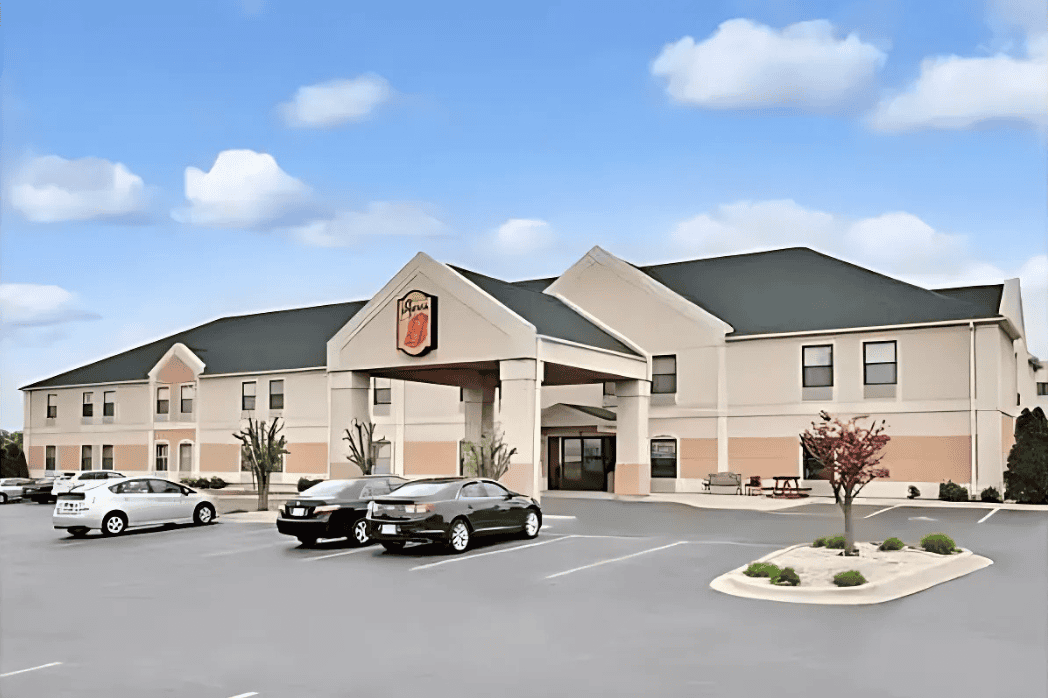
Sherpa Capital Group LLC, a direct private lender, funded a $2,100,000 equity cash-out bridge loan secured by a 55-room Super 8 Hotel in Hampshire, IL. The property value was estimated at $3,100,000, so our loan-to-value was 68%. The property was owned free and clear of any mortgages. The Borrower signed the term sheet just before the holiday weekend, and we closed in just 4 business days after. The Borrower is using the proceeds to expand their logistics business and acquire additional real estate. A high-quality hospitality asset, a growth-focused Borrower, and lightning-fast execution—deals like this rarely happen on such a timeline, but we made it happen. The property was newly renovated. The Borrower had excellent credit. They plan to refinance as an exit strategy within 6 months. The interest rate was 14%, and we charged 3% origination points. The broker charged 1 point and earned a $21,000 commission. This hotel bridge loan was funded in July 2025.
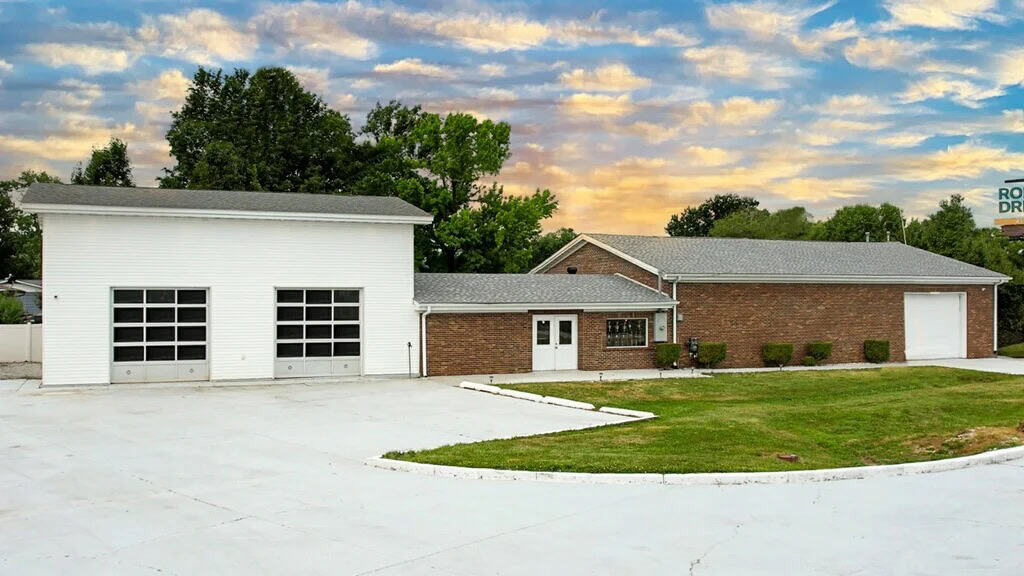
Bridge Loan for Commercial Building Refinance in St. Peters, Missouri
$300,000
Minnow Loan, a local Missouri direct private lender, funded a $300,000 refinance bridge loan secured by a commercial building in St. Peters, MO. The property value was estimated at $700,000, resulting in a loan-to-value of 43%. We paid off a previous loan balance of $150,000. This loan allowed the Borrower to access capital tied up in a commercial property used for his family’s auto-repair and detailing business. The property had been in the family’s name for years, and the Borrower used the funds to begin construction on a new location. We underwrote the deal quickly and issued financing terms without delay. A 12-month loan was provided to allow time to complete construction, relocate, and sell the current building. The Borrower had average credit. The interest rate was 12.5%, and we charged 3% origination points. This refinance bridge loan was funded in March 2025.
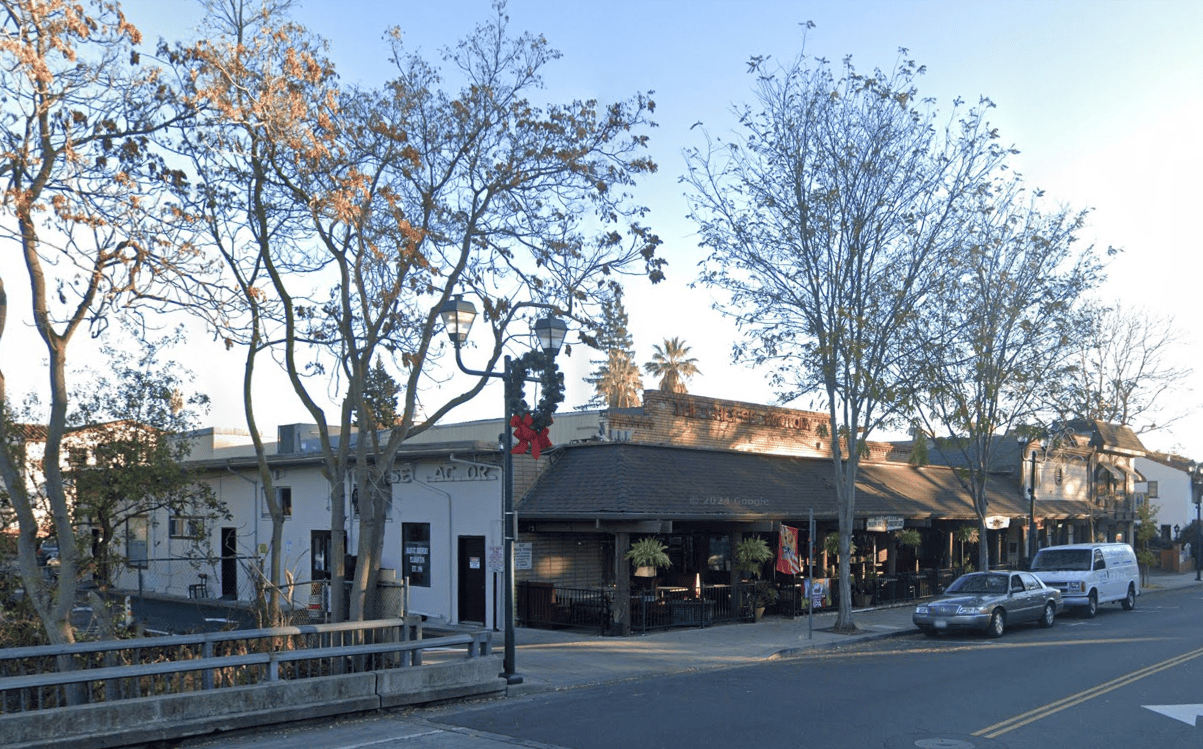
Bridge Loan for Mixed-Use Property Refinance in Pleasanton, California
$780,000
SDC Capital, a direct private lender, funded a $780,000 refinance bridge loan secured by a 10,000 square foot mixed-use property located in Pleasanton, CA. The loan-to-value was 50%. The loan proceeds were used to pay off an existing loan and fund planned renovations which will increase the value of the property. The Borrower intends to refinance with a conventional lender once their credit improves and the new tenant leases have had time to season. No third-party appraisal was required, as SDC Capital walked the property and determined the value internally. This transaction highlighted SDC’s flexible underwriting approach and ability to support experienced Borrowers in transitional situations. This commercial real estate bridge loan was funded in May 2025.
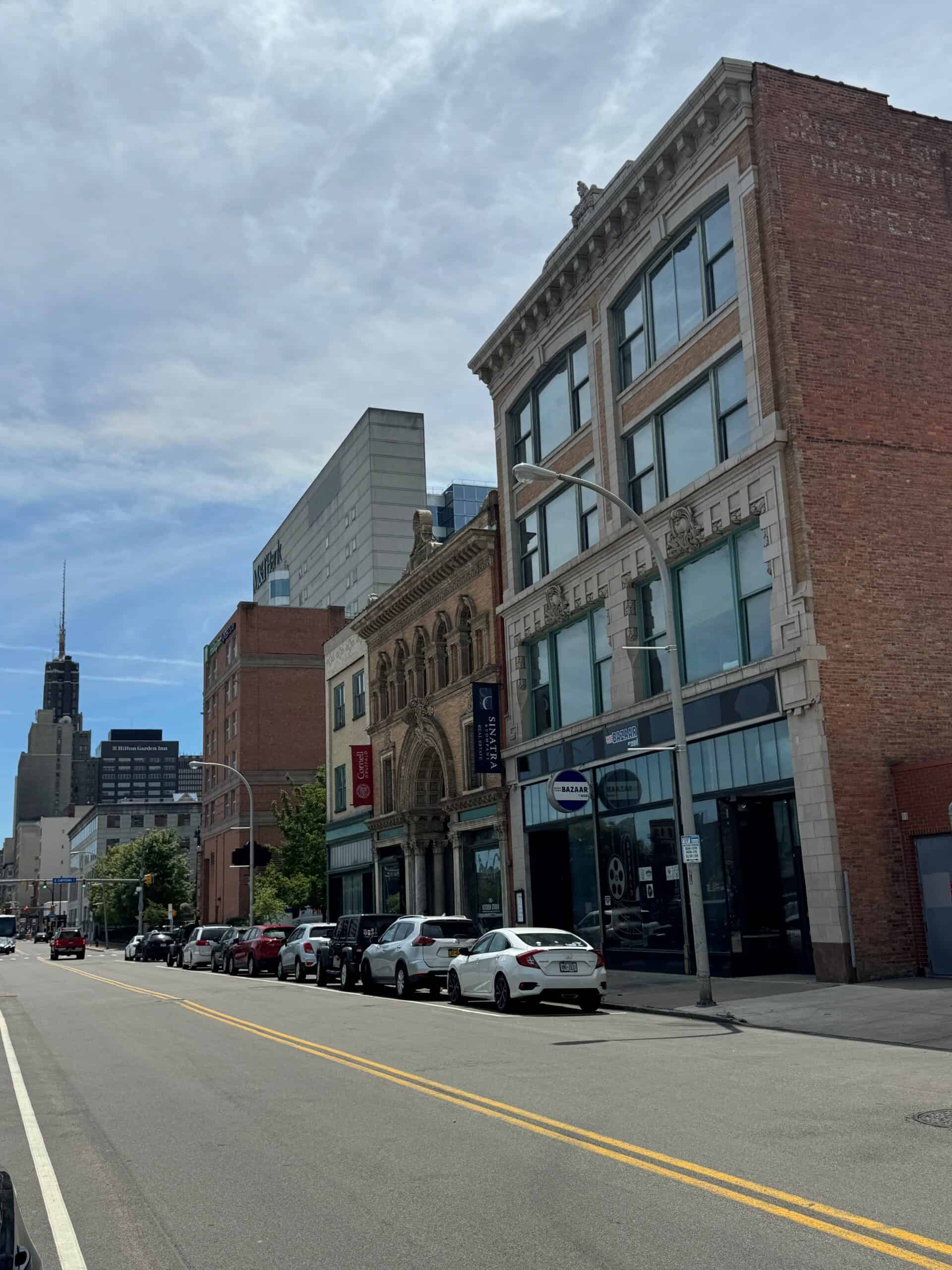
Sherpa Capital Group LLC, a private CRE lender, funded a $2,200,000 first-lien position bridge loan secured by a mixed-use property in Downtown Buffalo, NY. The property’s value was estimated at $4,750,000, resulting in a loan-to-value ratio of 55%. The loan was used to pay off a previous balance of $2,700,000. The property is a 55,000-square-foot building with office spaces and apartments. The Borrower, an experienced real estate developer specializing in multi-family and workforce housing, required a quick closing as their existing loan with a regional bank was maturing and the bank was no longer extending loans. Conventional refinancing options for mixed-use properties in tertiary markets were limited. Sherpa Capital recognized the potential of the property and swiftly completed due diligence, conducted a site visit, and provided financing within two weeks. The Borrower had excellent credit. They plan to convert most office units into apartments, leverage historic tax credits, and eventually refinance with a local lender as an exit strategy. The interest rate was 15%. We charged 3% origination points, and the broker earned a $33,000 commission. The loan term was set at 12 months. This CRE bridge loan was funded in July 2024.
Hard Money Loan for Retail Property in North Tonawanda, New York
$250,000
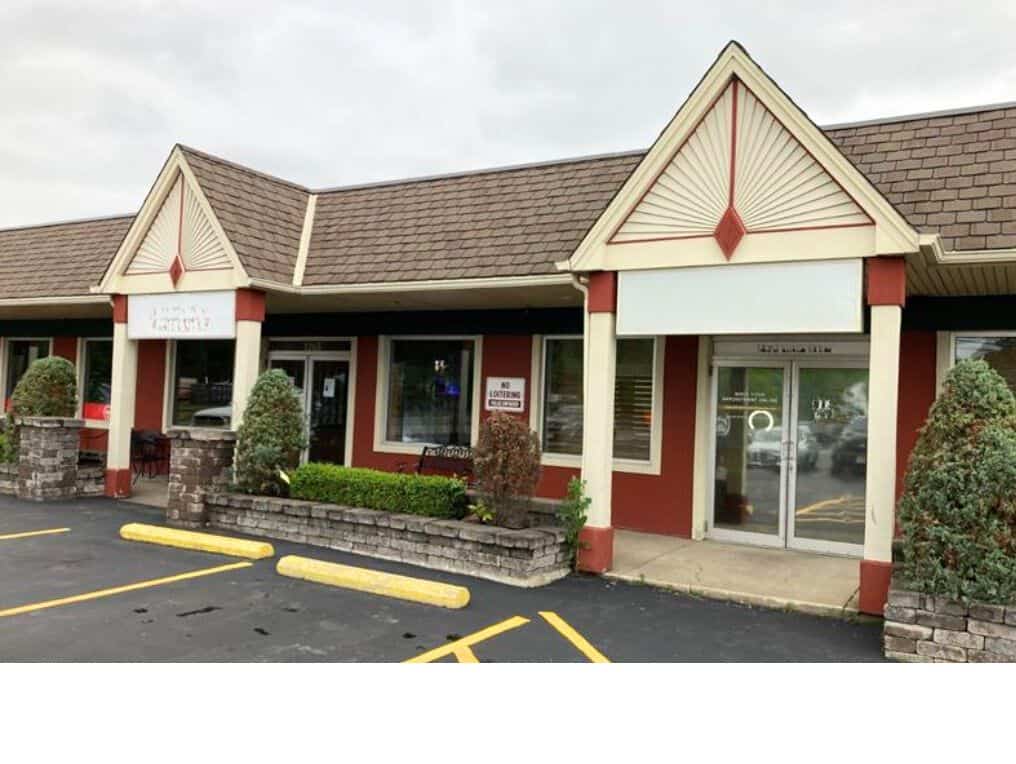
Gelt Financial, a direct CRE lender, funded a $250,000 first-lien position cash-out refinance loan secured by a small 3-unit retail center in North Tonawanda, Niagara County, NY. The property value was estimated at $700,000 so our loan-to-value (LTV) was 36%. It was owned free-and-clear without any mortgages. The Borrower is an experienced real estate investor who needed quick capital for a new investment. The retail center had 3 tenants with long-term leases in place. The spaces were being used for a restaurant, a barber shop, and an office. The property was in excellent condition and is approximately 9,500 square feet. The Borrower had excellent credit. Their exit strategy is to refinance into a long-term loan within 2 years. The interest rate was 12.50% floating, and we charged 3% origination points. The loan term was set at 24 months. This hard money loan was funded in July 2024.
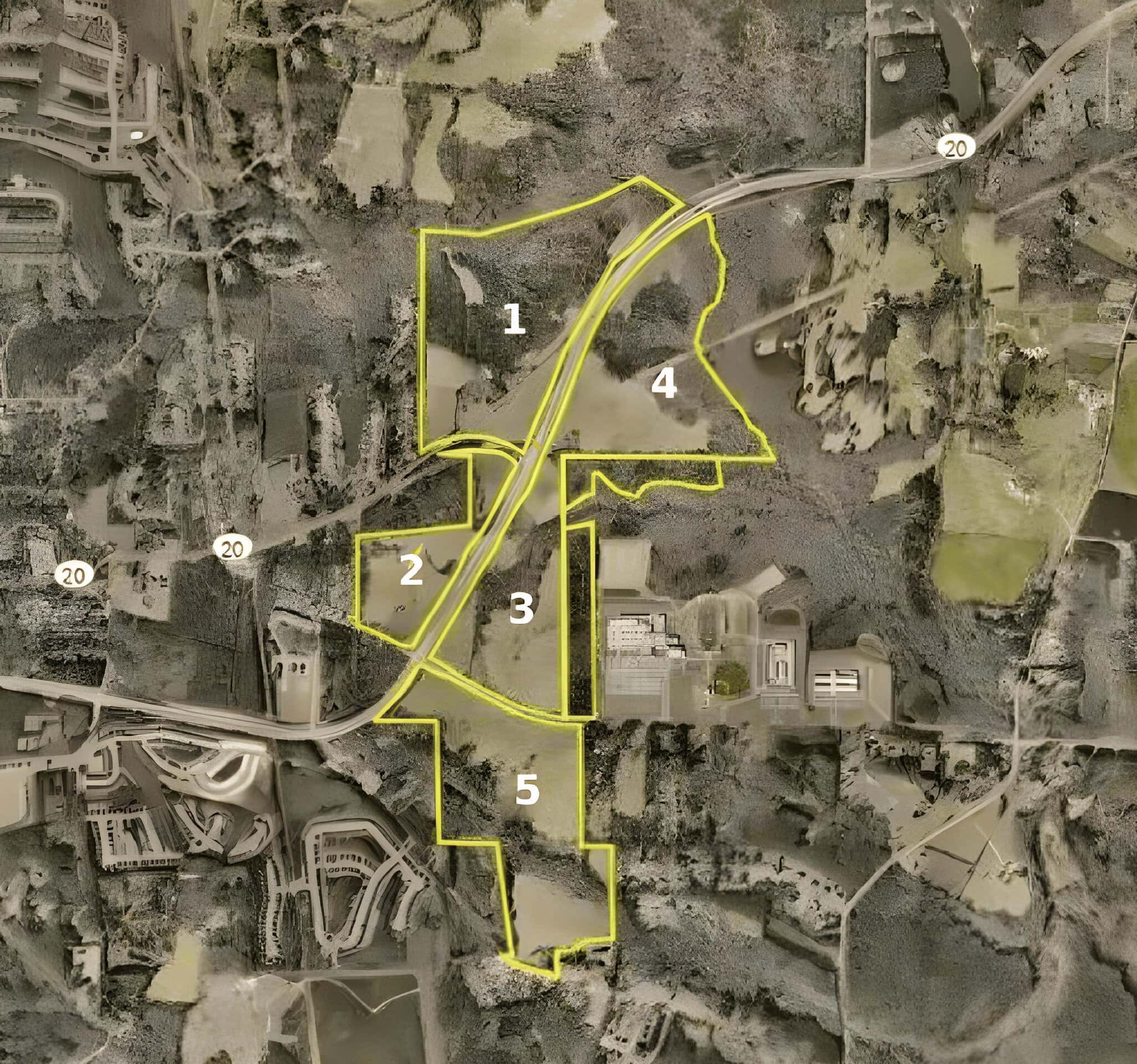
Yieldi, a direct lender for investment properties nationwide, funded a $10,000,000 first-lien position bridge loan secured by 520 acres of vacant land that is currently a mixed-use development in Hampton, GA. The property value was estimated at $40,000,000 so our loan-to-value was 25%. The loan proceeds will be used by one partner to buy out the other partner. They have signed contracts with three major homebuilders secured with $17,000,000 in contract prices. The LDPs (Land Development Permits) should be approved within the next 90 days, allowing the sales to proceed soon after. The Borrower had good credit. Their plan involves development, with an exit strategy of obtaining a construction loan. The interest rate was 14.99%. We charged 3% origination points and the broker earned a $200,000 commission. The loan term was set at 12 months. This refinance bridge loan was funded in June 2024.
Bridge Loan for Car Wash Purchase in Summerville, South Carolina
$231,000
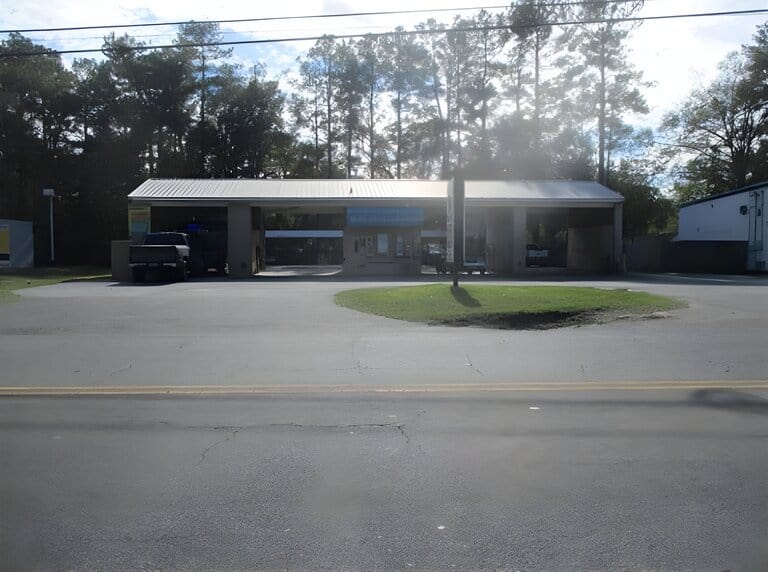
Gelt Financial, a direct CRE lender, funded a $231,000 1st lien position purchase bridge loan for the acquisition of an operating car wash in Summerville, SC. We funded 60% of the $385,000 purchase price, while the Borrower contributed 40% cash at closing. The Borrower develops real estate and has previous experience with gas stations. The car wash was in excellent condition and was fully operational at the time of the purchase. It is approximately 1,712 square feet on 1 acre of land. It includes 3 self-serve car wash bays, 1 automated drive-through bay, and 5 external vacuum stations. The Borrower plans to eventually refinance as an exit strategy. The interest rate was 14% floating and we charged 3% origination points. The loan term was set at 24 months. This CRE purchase loan was funded in January 2024.