Typical Guidelines for Fix and Flip Loans
Below are some of the general guidelines for most of the lenders listed on our platform.
- Loan Amounts: $50,000 to $3,000,000
- Very few lenders will consider loans less than $50K
- Some lender will consider fix & flip loans up to $7M in select markets like Los Angeles, San Francisco, New York City, Austin, Miami and another areas that have high home values
- Maximum Loan-to-Purchase: Up to 85%
- A small number of lenders will consider funding 90% of the purchase
- Few lenders fund 100% of the purchase price
- Down Payment Required: 10% to 20%
- Most lenders require a down payment of 15%
- Only a handful of lenders will consider 0% down. Read our Guide about 100% financing for fix & flip.
- Loan-to-Cost: 100% of rehab costs
- Most lenders fund the entire rehab budget and control the release of funds
- A small percentage of lenders will require investors to contribute to the rehab costs
- Loan-to-After Repair Value (ARV): up to 70%
- Some lenders will reduce the after-repair value to 65% if the investor lacks experience or if the location is less desirable
- Lien Position: 1st only
- Professional private lending companies do NOT consider 2nd position loans (aka gap funding)
- Loan Term: Up to 12 months
- Some lenders max out at 6 months but will offer extensions
- If the project goes over 12 months, most lenders allow extensions but would charge at least 1 point
- Payment Structure: Interest Only; fix and flip loan payments are not amortized
- Monthly Interest Payments: Yes
- Almost all lenders require the investor to make monthly interest payments
- Few lenders will allow the interest to be deferred until the house is sold
- Typical Interest Rate Range: 10.50% to 14%
- The average interest rate for fix and flip loans is 11.50% (as of October 1, 2023)
- Typical Origination Fee: 1 to 3 points
- Most lenders charge 2 points
- The points could be higher for small loan amounts
Every lender has different guidelines. For all the lenders listed on our platform, we require them to provide their criteria and guidelines on their profile.
Typical Requirements for Fix & Flip Loans
Below are some of the general requirements for most fix & flip lenders on our platform.
- Rehab Budget
- Investor has to present a document or spreadsheet showing all the work that needs to be done and how much it will cost.
- Contractors Ready to Work
- Lenders want to see that the investor has a relationship with a general contractor or subcontractors
- Sufficient Cash Reserves
- In case project goes over budget or takes long to sell
- Most lenders will not provide additional funds if project goes over budget
- Experience: 1 completed flip project in past 2 years
- Some lenders don’t require any experience at all, but they will ask for a higher down payment and higher reserves
- Without experience, lenders will only consider a “light” rehab
- Minimum Credit Score: 500
- Most of the national lenders require a 620+ FICO score
- Many local or regional lenders don’t care about the score, but they’ll want an explanation of why the score is low
- Most lenders will run a credit report, even if they don’t care about the score
- They have to check for other major events such as a foreclosure, bankruptcy, etc.
- Background Check
- Lenders want to know if the investor has a criminal history, has ever sued a lender, or has any pending lawsuits
Every lender has different requirements, and most of the lenders you find on our website will provide this information on their profile.
Residential Properties Only
The term “fix & flip” is typically used only to refer to residential investment properties, including:
- Single Family Residence
- Condominium
- Townhome
- Duplex (2 residential units)
- Triplex (3 residential units)
- Fourplex (4 residential units)
For commercial real estate, multifamily properties with 5+ units, or mixed-use properties, “value-add” is the more common term used by lenders and experienced investors.
Private Money vs Hard Money Lenders for Fix & Flip Investors
Real estate investors who rehab and flip residential properties have lots of options when it comes to financing. Prior to 2014, fix & flip lending used to be limited to the metro area where the lender has a local office, but now most fix & flip lenders are national, or lend in 30+ states across the country.
Benefits of Borrowing from a Professional Fix & Flip Private Lender
Whether you call it “private money” or “hard money” is not important. At PrivateLenderLink.com, we consider them the same thing, but we are focused on connecting property investors (and brokers) with private lending companies, not individual investors. Many real estate investors consider “private money” or “private lenders” to be individuals who lend out their own retirement funds and don’t charge any points or other fees, but most professional lending companies call themselves “private lenders” while other lenders embrace term “hard money” because that’s what most real estate investors call them.
The majority of house flippers in the United States work with professional private lending companies to finance their flip projects, and there are several benefits to borrowing from a private lending company versus an individual.
- Continuity of Capital
Most individual private investors will run out of money to lend. Professional lenders have multiple capital sources and almost never turn down a fix & flip loan due to lack of funds. - Efficiency
Most professional lending companies have a very efficient system for underwriting and funding fix & flip loans, as well as the rehab draws throughout the project. - Help & Support
Most professional lending companies are very experienced with fix & flip projects and offer assistance/advice to their borrowers if needed.
Fix & Flip Loan Scenarios / Structures
Below are a few scenarios of how a real estate investor may obtain a fix & flip loan.
Cash Down Payment for Property Purchase
The majority of fix & flip loans are structured with the investor contributing a 10% to 20% cash down payment for the acquisition, and the lender finances the entire rehab budget.
Already Own the Property
Some real estate investors may want to rehab a property that they already own, so the down payment is not applicable. Perhaps it has been a rental property for several years, or it was recently purchased with all cash. There are two ways to structure the rehab financing. The first is where the lender controls the use of the money, releasing the funds in phases as work is completed. The second option is for the investor to take the entire loan amount and control the use of the funds as they wish. This is essentially a cash out refinance, not a fix & flip loan. A lender would only consider this if there is lots of equity in the property prior to the renovation.
Use Equity in Another Property
If a real estate investor owns other investment properties with enough equity, many private lenders can use that property as collateral instead of a cash down payment for the purchase. In private lending, this is commonly known as “cross-collateralizing.” The lender would have a 1st mortgage on the crossed property as well as the house being fixed and flipped.
The maximum loan-to-value is typically 70%, so use that number to determine if there is enough equity. If there is an existing 1st mortgage on the crossed property, it would have to be paid off in most cases. Some lenders may consider a 2nd position in select states like California or Arizona. In California, investors can use equity in their primary residence to fund the purchase of an investment property. The state has an exception to the federal consumer mortgage laws which makes this possible for homeowners to use their home equity for a business purpose.
100% Financing Rehab Program Overview & Borrower Requirements
Rehab Financial Group has been providing real estate financing solutions since 2009, focusing on helping investors access high-leverage funding for fix-and-flip, rental, and construction projects. Their 100% financing program is designed for both new and experienced investors who want to scale without tying up large amounts of upfront capital. With flexible qualification guidelines, streamlined documentation, and a focus on practical, repeatable projects, Rehab Financial Group supports investors looking to move quickly and efficiently in competitive markets.
100% Financing allows investors to cover the full purchase price and 100% of the rehab budget on eligible projects. Loan amounts typically range from $100,000 up to $1,000,000, focusing primarily on standard fix-and-flip or buy-and-hold projects that can be completed within approximately 9 to 12 months. The program is designed for both experienced and first-time investors, making it accessible to borrowers entering the investment space.
Experience flexibility means borrowers are not required to have prior project history to qualify. However, investors with at least three completed projects with another lender, or one completed project with Rehab Financial Group, may qualify for expanded leverage or improved terms. The program is structured to support investors while maintaining project viability and realistic rehab-to-purchase ratios.
Credit requirements start at a minimum FICO score of 650. Borrowers with a 700+ FICO score may qualify for higher leverage, including up to 70% of the after-repair value (ARV). Borrowers below 700 FICO are typically capped closer to 65% ARV. In multi-borrower scenarios, the highest qualifying credit score may be used for underwriting consideration.
Liquidity expectations typically require borrowers to show access to at least 25% of the rehab budget plus closing costs, or a minimum of $15,000 plus closing costs. Acceptable liquidity sources can include cash reserves, brokerage accounts, retirement accounts (up to allowed limits), and lines of credit, ensuring borrowers can successfully manage projects from acquisition through completion.
Project types include both fix-and-flip and buy-and-hold strategies. The portfolio is often split between resale investors and rental property investors, especially in markets with strong rental demand. The program focuses on 1–4 unit residential investment properties and avoids high-risk rebuild or teardown projects.
Loan terms are typically offered at 9 or 12 months, with a built-in 3-month extension option available for a fee. There are no prepayment penalties, allowing investors to exit projects early without additional cost. Interest payments begin immediately, helping borrowers maintain clarity around payment expectations throughout the loan term.
Geographic availability primarily covers states east of the Mississippi River, with additional presence in select markets like Texas. The company focuses on major metropolitan statistical areas (MSAs) where property liquidity and buyer demand remain strong.
No Experience or Income Verification for 100% Rehab Financing
Qualification does not require prior rehab experience. Rehab Financial Group recognizes that strong liquidity, excellent credit, and a proven financial track record can offset the absence of prior projects. While the majority of the market prefers investors with three or more completed rehabs, RFG allows newcomers to enter the market with clear safeguards, including limits on the total rehab budget relative to the purchase price.
Contractor oversight becomes crucial for larger or more complex projects. Even without prior experience, borrowers are assessed on the contractors they engage for the work. RFG carefully vets contractors to ensure they have a history of completing projects of comparable scope and value, helping mitigate risk and ensuring successful project execution.
Project strategy favors incremental growth. New investors are encouraged to start with cosmetic or light rehabs in the $35,000–$50,000 range. RFG applies a “crawl, walk, run” approach, allowing investors to gain experience and confidence while building a track record of completed projects before scaling up to larger rehab budgets.
Consulting support is embedded throughout the process. While RFG avoids hands-on management of projects, its in-house team—including many staff who are themselves investors—offers guidance and advice during draw requests and execution. This support fosters borrower success, reduces project risk, and encourages long-term client loyalty.
Documentation requirements have evolved. Previously, income verification and tax returns were standard, but RFG has shifted to focus on liquidity verification, entity documentation, credit authorizations, and proof of experience when applicable. Borrowers must provide three months of bank statements and other verifiable financial information, but formal income verification is no longer a barrier to access the program.
Closing Costs and Liquidity Requirements for 100% Rehab Financing
When pursuing 100% rehab financing with Rehab Financial Group, understanding closing costs and liquidity requirements is essential for a smooth project start. Unlike traditional lenders who may require large down payments, RFG structures its financing to minimize upfront capital while ensuring borrowers have sufficient liquidity to manage initial rehab expenses. From points at closing to draw schedules and upfront construction costs, the program is designed to balance borrower flexibility with prudent risk management, giving investors the tools they need to execute successful rehab projects.
Points at closing are straightforward and transparent. Rehab Financial Group requires borrowers to pay 2–3 points upfront, covering standard processing and underwriting fees. These points are in addition to the typical third-party expenses, including title, escrow, and homeowners insurance. Unlike many traditional lenders who demand 10–30% down payments, RFG’s structure eliminates the need for a down payment, making the product more accessible to investors focused on rehab projects.
Interest rates are market-competitive and clearly defined. RFG maintains rates in the 12% range, providing a predictable cost of capital for borrowers. This structure allows investors to plan cash flow effectively while leveraging the full 100% financing for both purchase and rehab costs, rather than tying up personal capital in large down payments.
Draws are issued in arrears and tied to verified progress. Borrowers cover initial construction expenses for each phase of the project, after which RFG sends an inspector to confirm completion. Once verified, funds are released promptly, typically within 24 hours. This system ensures accountability, keeps projects on track, and supports borrowers in managing their budgets efficiently.
Liquidity requirements remain essential but separate from initial project costs. Investors must maintain approximately 25% of the rehab budget in liquid assets, plus closing costs. These funds cannot be pre-applied toward the first phase of the rehab; instead, they serve as proof that the borrower has adequate financial reserves to manage the project successfully, protecting both the investor and the lender.
Servicing is fully managed in-house, giving borrowers direct support throughout the rehab process. By controlling the draw and verification workflow internally, RFG eliminates delays and inconsistencies often associated with outsourced servicing, creating a smoother, more reliable experience for borrowers while safeguarding the lender’s investment.
Rehab Financial Group has been providing financing solutions to real estate investors since 2009 and is a direct private lender focused on high-leverage funding for residential investment projects. They offer 100% financing programs designed to support fix-and-flip, rehab-to-rent, and select new construction opportunities for non-owner occupied 1–4 unit properties. Visit their profile to watch more short video clips, or watch the complete interview with Rehab Financial Group to learn more about their 100% financing rehab program and borrower requirements.
Rental Exit Strategy for Residential Rehab and Construction Loans & Leverage
i Fund Cities was built by real estate investors who wanted a faster, more transparent, and more execution-focused lending experience. Since launching in 2018, the platform has funded thousands of alternative real estate loans across fix & flip, new construction, bridge, DSCR rental, and small multifamily projects. With deep hands-on experience in both lending and building, the company has developed a reputation for balancing speed, leverage, and reliability of capital — particularly in more complex asset classes like ground-up construction. Below is an excerpt from our interview discussing how borrowers are using DSCR financing as an exit strategy for residential rehab and construction projects, and how the company structures leverage, portfolios, and underwriting parameters to optimize cash flow and mitigate risk.
DSCR utilization has become a predominant exit strategy for both rehab and ground-up construction projects. Borrowers frequently transition newly completed properties into debt-service coverage ratio (DSCR) financing, sometimes within 120 days post-construction, optimizing cash flow and mitigating market risk.
Portfolio structuring is common, as built-to-rent strategies generally involve multiple residential units rather than single assets. Aggregating properties into a single DSCR portfolio loan enhances leverage efficiency, risk diversification, and operational scalability.
Market analytics guide asset type selection. Townhomes, detached single-family homes, and other residential typologies are underwritten using local supply-demand data, absorption rates, and cap rate trends to ensure alignment with community-level liquidity and investor risk appetite.
Refinance conversion is frequently employed, moving borrowers from short-term bridge, construction, or rehab financing into stabilized DSCR rental loans. This strategy reduces rollover risk, extends loan maturities, and provides predictable debt-service coverage over the investment horizon.
Underwriting parameters are property and portfolio-specific. Maximum loan exposure per single asset typically caps at $2.5 million, while portfolio-level DSCR financing can accommodate $20 million across multiple units. Minimum thresholds generally start at $100K, providing flexible entry points for investors across varying deal sizes.
i Fund Cities has funded more than 4,900 loans totaling over $2 billion for real estate investors since 2018. The platform provides financing solutions across fix & flip, new construction, bridge, DSCR rental, and small multifamily assets, with features including high leverage options, fast draw timelines, and flexible deal structuring. Visit their profile to watch more short video clips, or watch the complete interview with Bryan Ziegenfuse and Chris Tereo.
Funded Fix and Flip Loan Examples
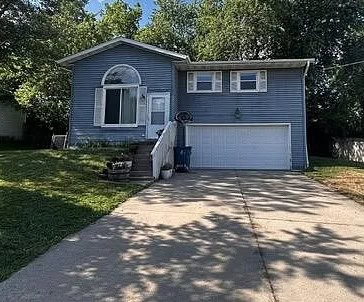
Minnow Loan, a local Missouri direct private lender, funded a $185,500 fix and flip loan for a single-family home in Ashland, MO. We funded 100% of the $30,000 renovation budget and 84% of the $185,000 purchase price, while the Borrower contributed 16% cash at closing. The after-repair value was estimated at $265,000, so our loan-to-value was 70%. This deal was for a repeat Borrower we have worked with extensively over the past year. The Borrower, who is also a listing agent, had this property on the market for his clients, but it wasn’t selling because it was cluttered with belongings and needed minor repairs. The Borrower proposed purchasing the property himself and brought the terms to us, and we worked with him to structure an offer that made sense for both sides. We closed a few weeks later, and the Borrower has begun renovations. The home only needs light cosmetic work and will be re-listed within the next 60 days. The Borrower had good credit. They plan to sell the property upon completion of the cosmetic rehab. The interest rate was 12.5% and we charged 2.5% origination points. The loan term was set at 6 months. This fix and flip loan was funded in August 2025.
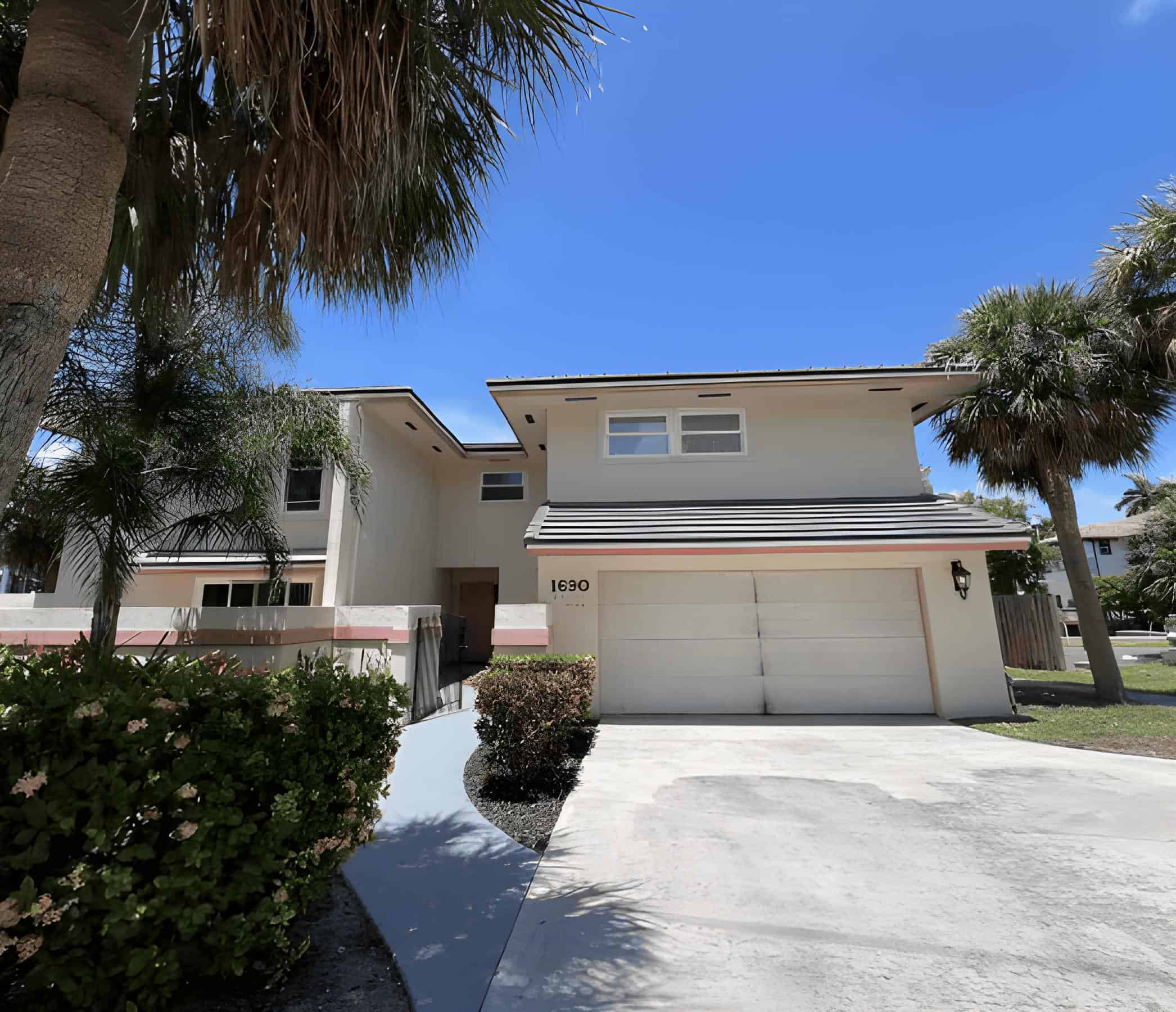
Condo Conversion Fix and Flip Loan for Duplex in Delray Beach, Florida
$2,430,000
Capital Funding Financial, a direct family-office private lender, funded a $2,430,000 loan for the purchase and rehab of a duplex located across the street from the ocean in Delray Beach, FL. The purchase price was $2,200,000. We funded $1,430,000 toward the purchase, plus the full $1,000,000 renovation budget. The Borrower contributed a 35% down payment for the purchase. The estimated after-repair value is $5,000,000, which puts our loan at around 48% LTV. The developer will gut-renovate each unit, then parcel the two units individually as condos, and sell each one for approximately $2,500,000, resulting in a strong profit. Capital Funding is a family office-backed fund that helps real estate investors move quickly on great opportunities without the red tape and conditions often imposed by banks or institutional lenders. The loan term was set at 12 months. This fix and flip loan was funded in July 2025.
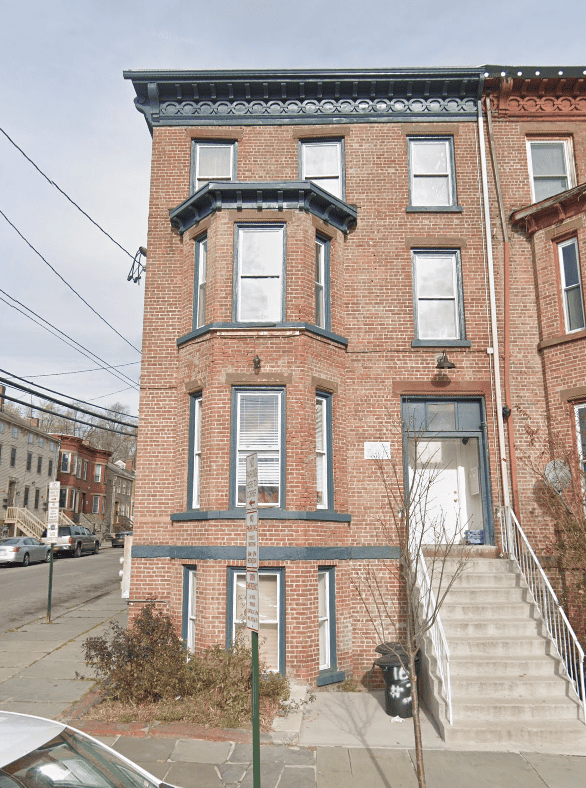
Malve Capital, a real estate private lending fund, funded a $138,230 senior-lien position fix and flip loan for a 4-unit residential property in Newburgh, Orange County, NY. We funded 100% of the $68,230 renovation budget and 70% of the $100,000 purchase price, while the Borrower contributed 30% cash to the purchase at closing. The after-repair value was estimated at $645,000, so our loan-to-after-repair value was 21%. The Borrower had average credit. They plan to put the property up for rent after completing a light rehab and will eventually refinance into a DSCR long-term rental loan as the exit strategy. The interest rate was 12%. The loan term was set at 12 months. This rehab loan was funded in May 2025.
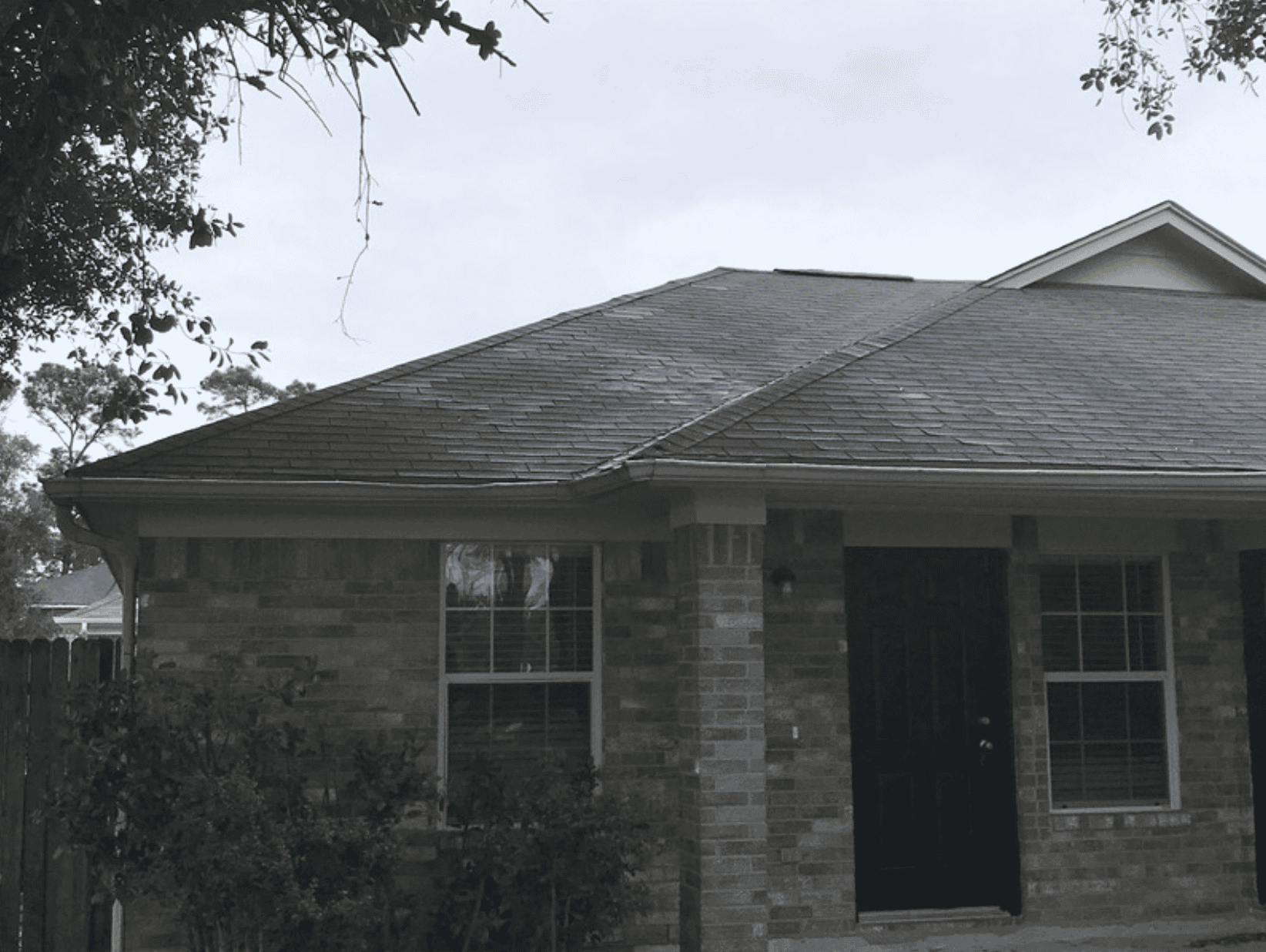
Rehab Financial Group, a direct hard money lender, funded a $179,900 fix and flip loan for a single-family home in Katy, a suburb of Houston, TX. We funded 89.95% of the $200,000 purchase price. Our loan-to-after-repair value was 70%. The only cash to close from the Borrower was $28,334.25, which covered $6,331 in closing costs and $22,935.63 in reserves. This 11-year-old ranch-style home had six rooms with three bedrooms, two bathrooms, and 1,117 square feet of total living space. It also includes a 382-square-foot two-car garage. The Borrower plans to sell it for $257,000 after investing $11,000 in light renovations, aiming for a gross profit of $46,000 (21.80% return). The interest rate was 12.75% and we charged 3% origination points. The loan term was set at 9 months. This fix and flip loan was funded in March 2025.
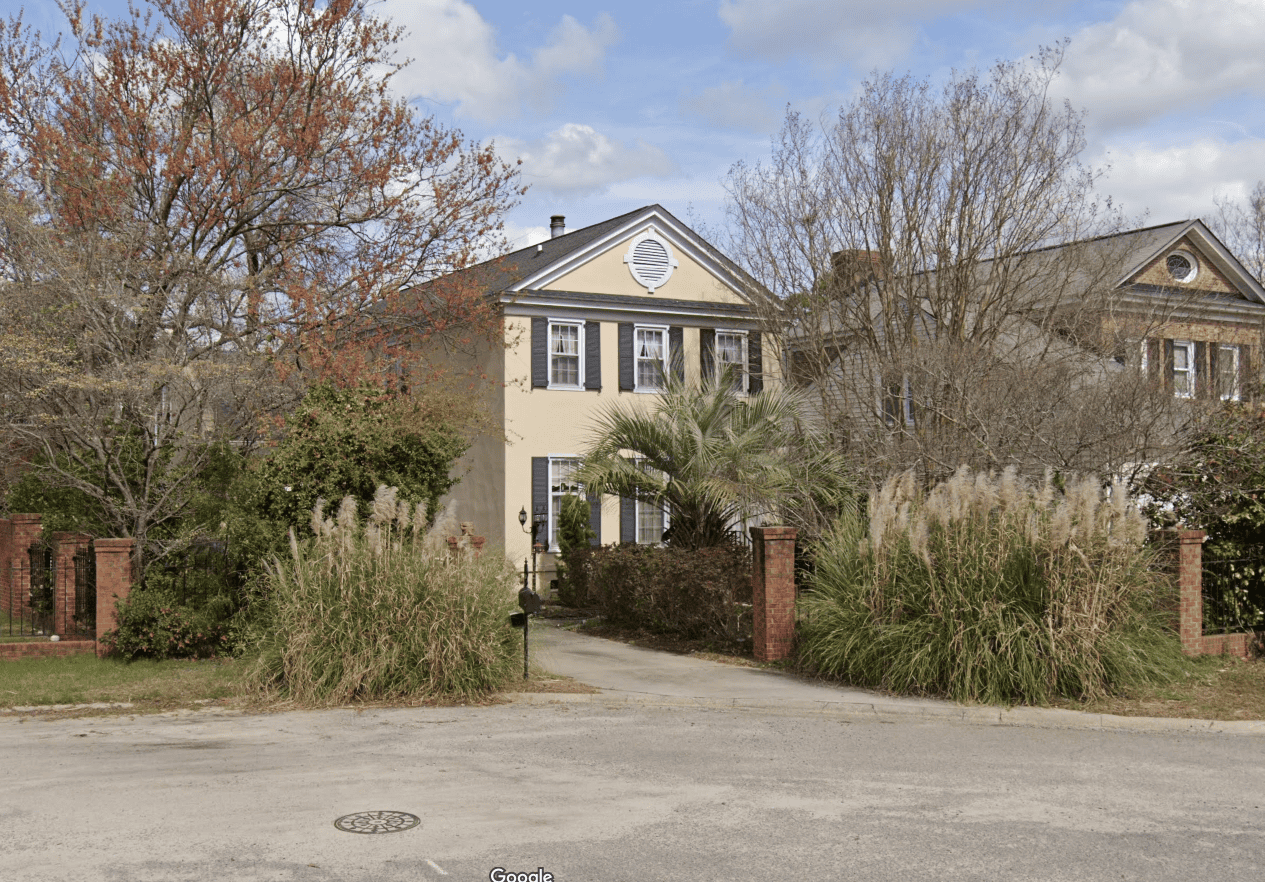
Malve Capital, a real estate private lending fund, funded a $291,700 fix and flip loan for a single-family home in Columbia, SC. We funded 100% of the $57,700 renovation budget and 87% of the $267,500 purchase price, while the Borrower contributed 13% cash to the purchase at closing. The after-repair value was estimated at $390,000 so our loan-to-after-repair value was 75%. The Borrower had good credit. They plan to sell the property upon completion of the light rehab as an exit strategy. The interest rate was 11% and we charged 2% origination points. The loan term was set at 12 months. This fix and flip loan was funded in February 2025.
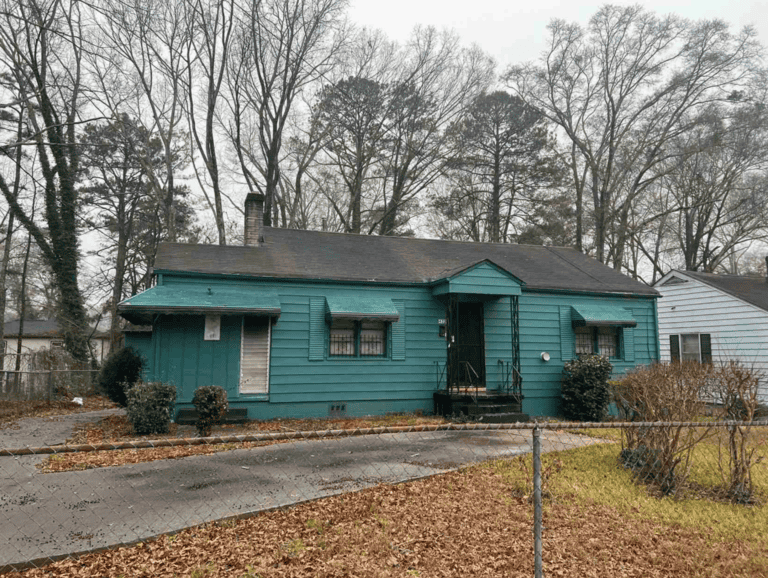
Rehab Financial Group, a direct hard money lender, funded a $322,800 fix and flip loan for a single-family home in Atlanta, GA. We funded 100% of the $149,000 and 100% of the $173,800 renovation budget. The Borrower paid the origination points and closing costs at the time of funding. The after-repair value was estimated at $570,000 so our loan-to-after-repair value was 56.63%. The house features 7 rooms, including 4 bedrooms, 3.2 baths, and a 2-car garage. Highlights include an upgraded island kitchen, dual-pane windows, a porch, and en suite bedrooms with baths featuring separate tubs and showers on both levels. Located in Fulton County, about 3.5 miles southwest of downtown Atlanta, the property is within a two-mile radius of essential services and offers convenient access to employment via surface streets and I-20. The subject property was in good condition and vacant at closing. It is approximately 3,401 square feet set in a 8,756-square-foot lot. The Borrower had good credit. They plan to sell the property upon completion of the heavy rehab. The interest rate was 12.75%. We charged 2% origination points, and the broker earned a $5,800 commission. The loan term was 9 months. This fix and flip loan was funded in January 2025.
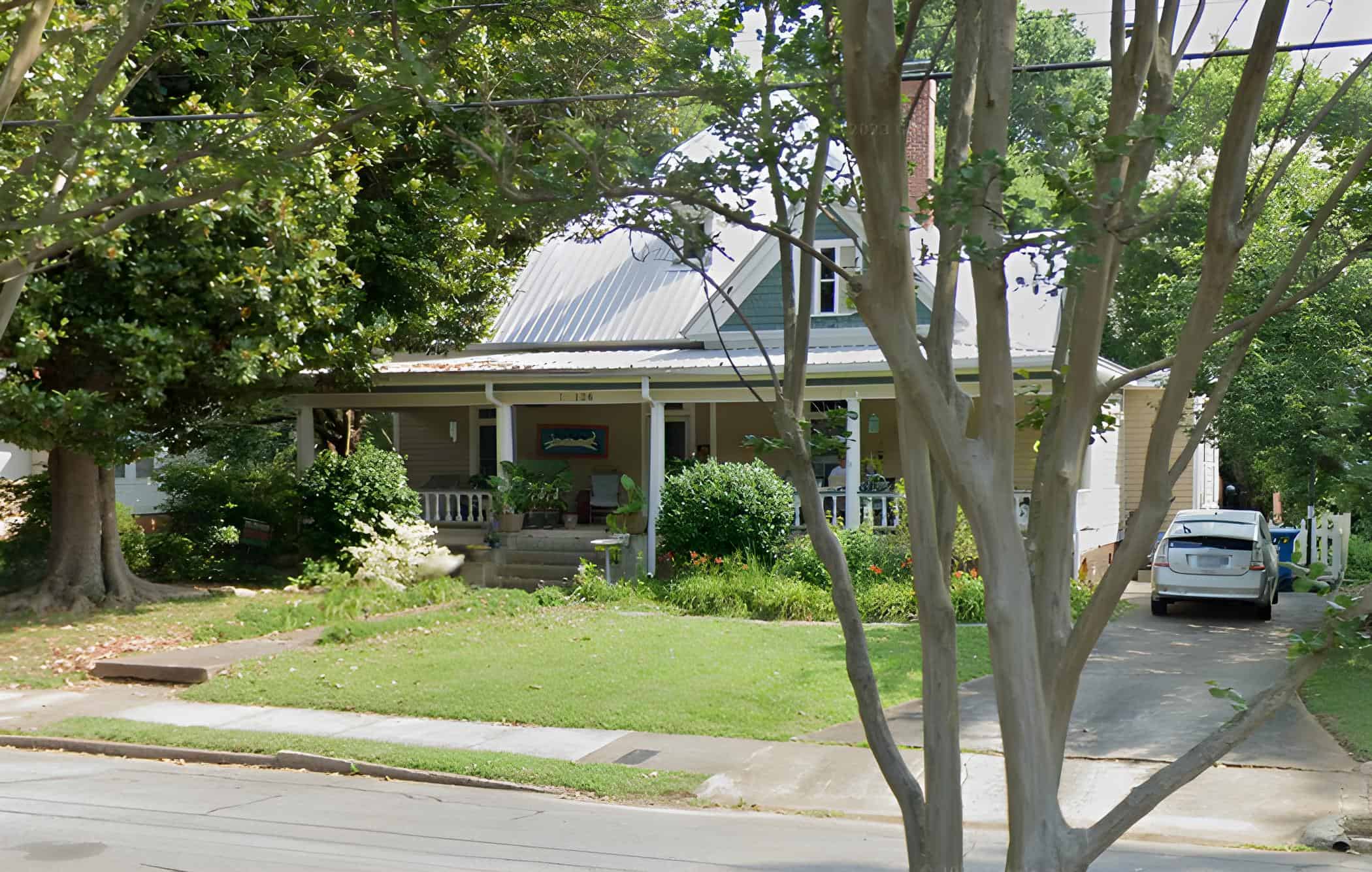
Fix & Flip Loan for Single-Family Residence in Salisbury, North Carolina
$127,500
Malve Capital, a real estate private lending fund, funded a $127,500 senior-lien position fix and flip loan for a single-family home in Salisbury, North Carolina. We funded 100% of the $90,000 renovation budget and 63% of the $60,000 purchase price, while the Borrower contributed 37% cash to the purchase at closing. The after-repair value was estimated at $210,000 so our loan-to-after-repair value was 61%. The Borrower had good credit. They plan to sell the property as an exit strategy upon completion of the light rehab. The subject property was in good condition and vacant at closing. The interest rate was 11.5% and we charged 2% origination points. The loan term was set at 12 months. This fix and flip loan was funded in November 2024.
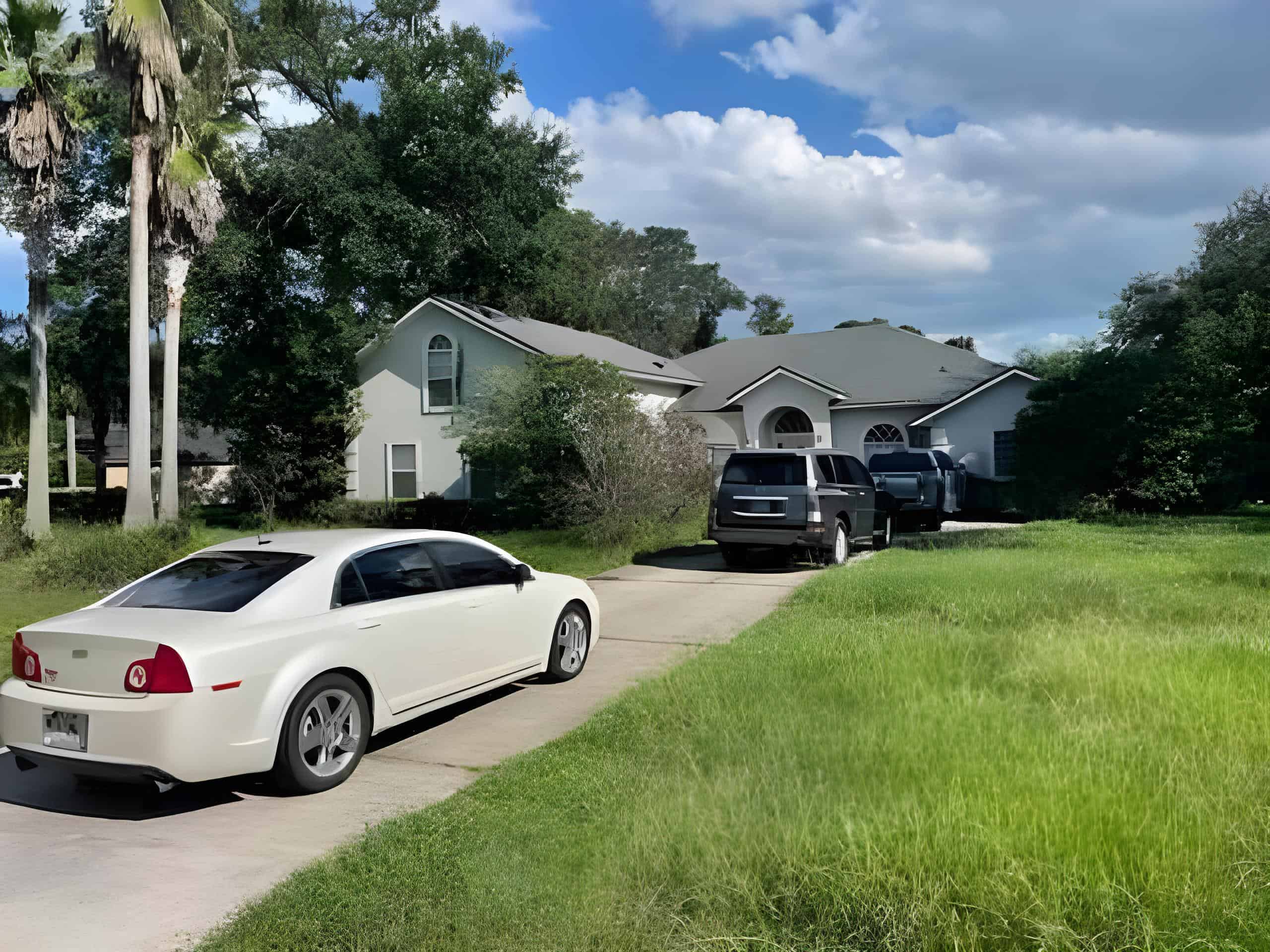
Purchase & Rehab Bridge Loan for SFR in Saint Johns, Florida
$504,000
Rehab Financial Group, a direct hard money lender, funded a $504,000 1st lien position purchase and rehab loan for a single-family home in Saint Johns, FL. The purchase price was $450,000 and the renovation budget was $84,502. The after-repair value was estimated at $720,000. We funded 100% of the purchase price. We normally fund 100% of the renovation costs, but in this case, the Borrower had to contribute some cash to the deal to achieve a 70% loan-to-after-repair value. The subject property was in excellent condition. It is approximately 2,680 square feet on a 27,443-square-foot lot. The Borrower had excellent credit. They plan to sell the property upon completion of the light rehab. The interest rate was 12.75%. We charged 3% origination points and the broker earned a $10,080 commission. The loan term was set at 9 months. This fix & flip loan was funded in September 2024.
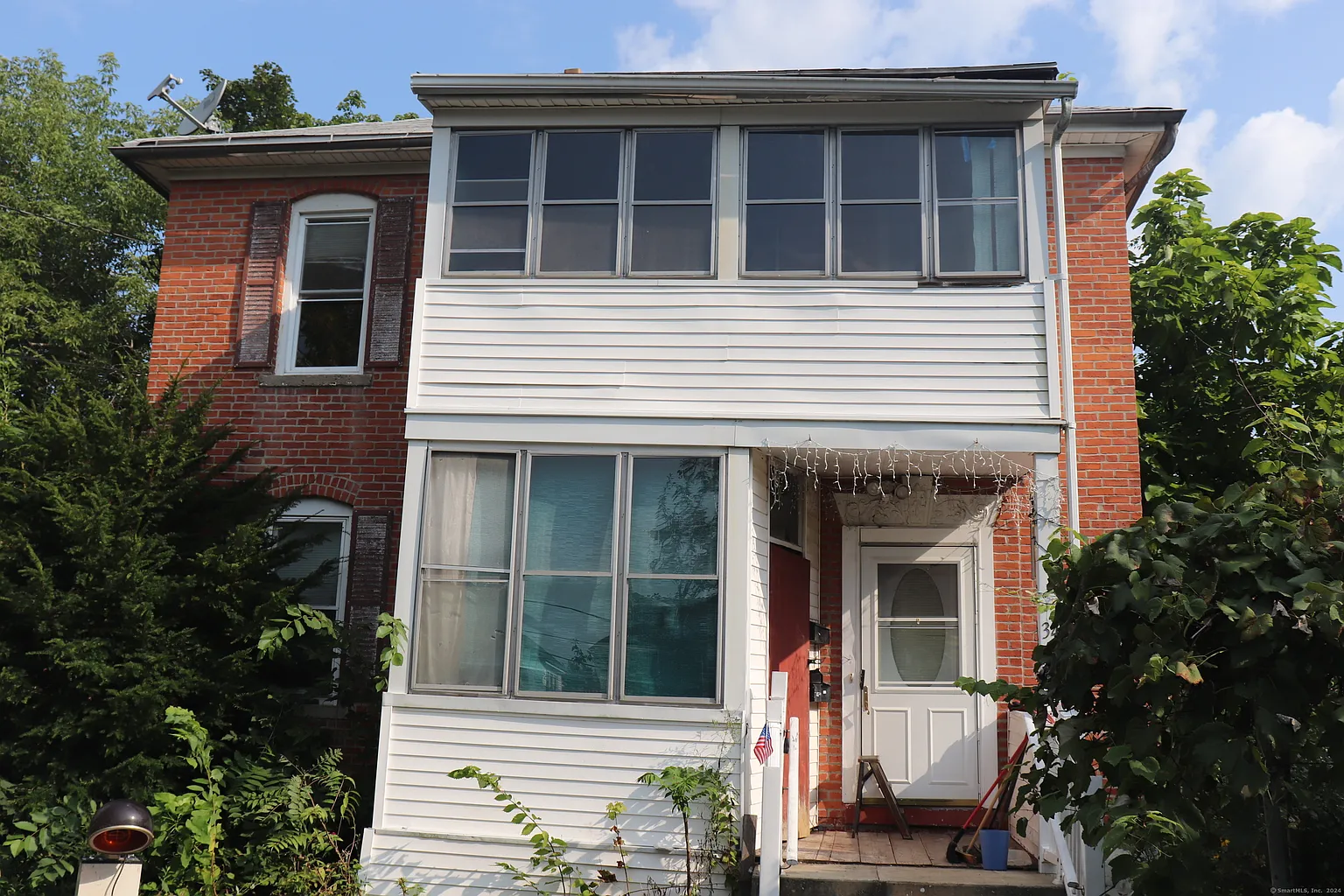
RCN Capital, a national direct private lender, funded a $226,000 first-lien position fix and flip loan for a duplex in Hartford, CT. We funded 100% of the $50,000 renovation budget and 80% of the $220,000 purchase price, while the Borrower contributed 20% cash to the purchase at closing. The after-repair value was estimated at $365,000, which resulted in a 62% loan-to-value. The Borrower is expected to make a solid 32% return on their investment. This repeat experienced Borrower had excellent credit, a strong background, and sufficient liquidity (cash reserves). They plan to sell the property upon completion of the cosmetic rehab. The property is approximately 1,456 square feet. The interest rate was 10.74% and we charged 1.25% origination points. The loan term was set at 12 months. This fix and flip loan was funded in October 2024.